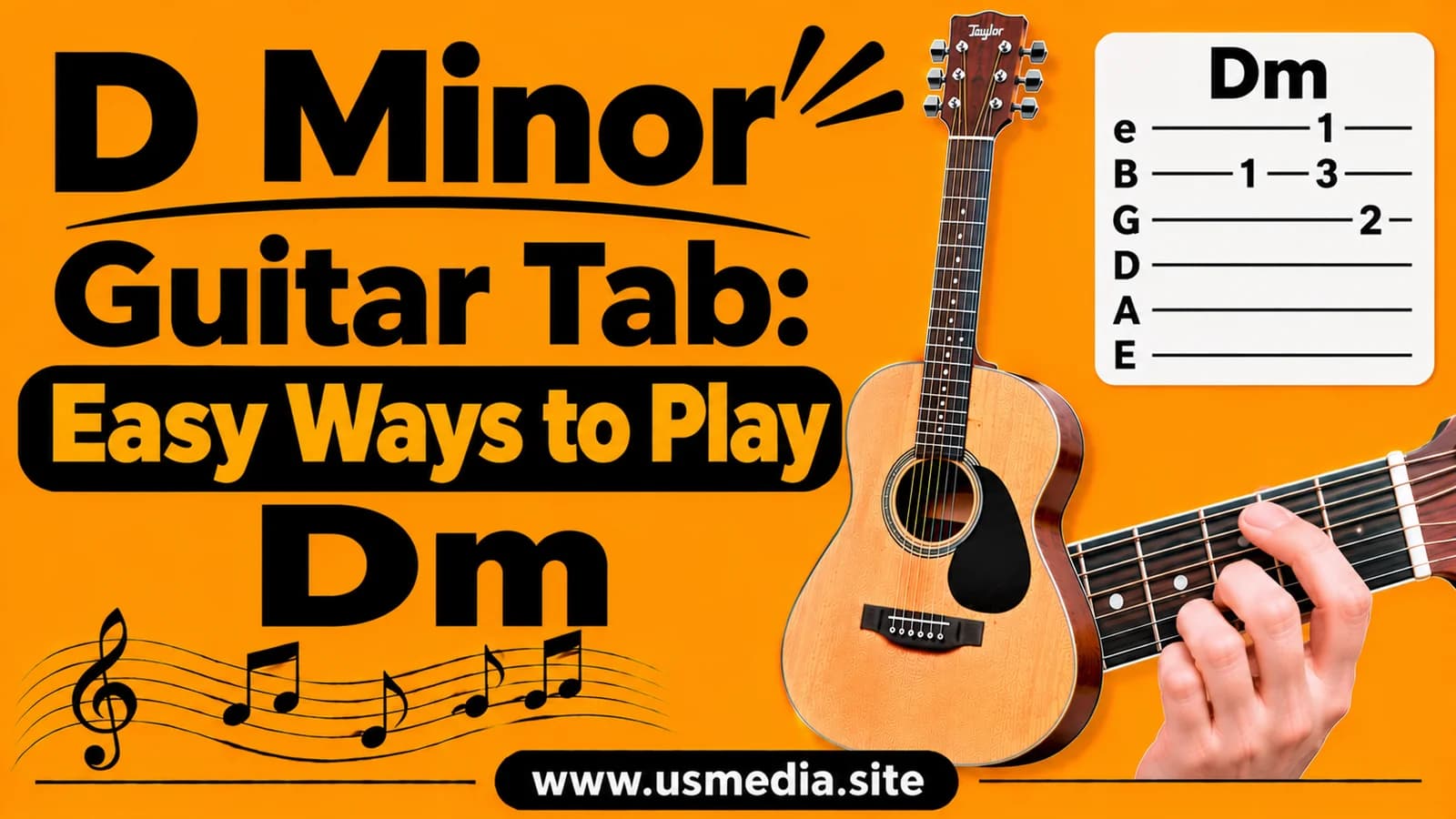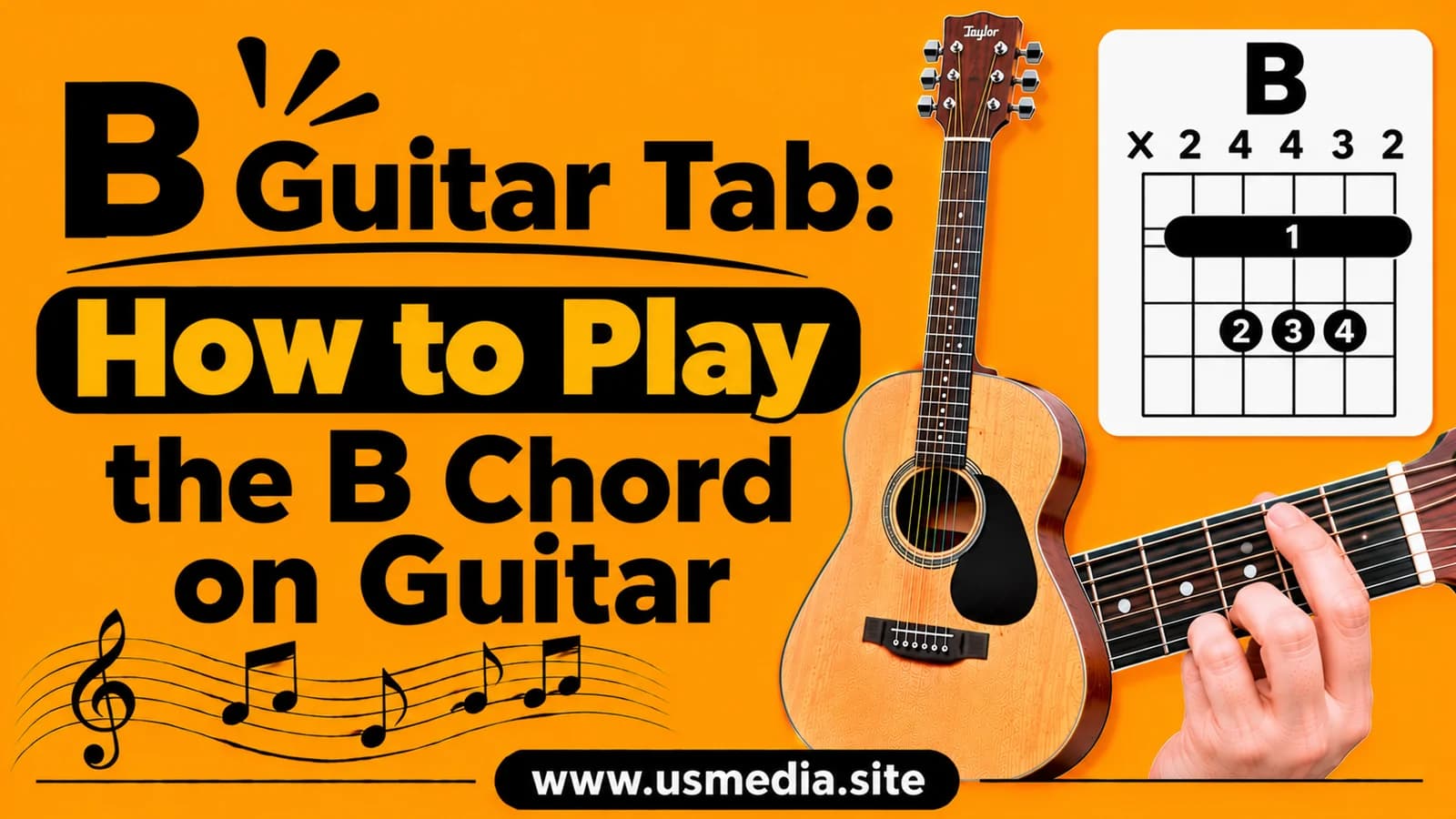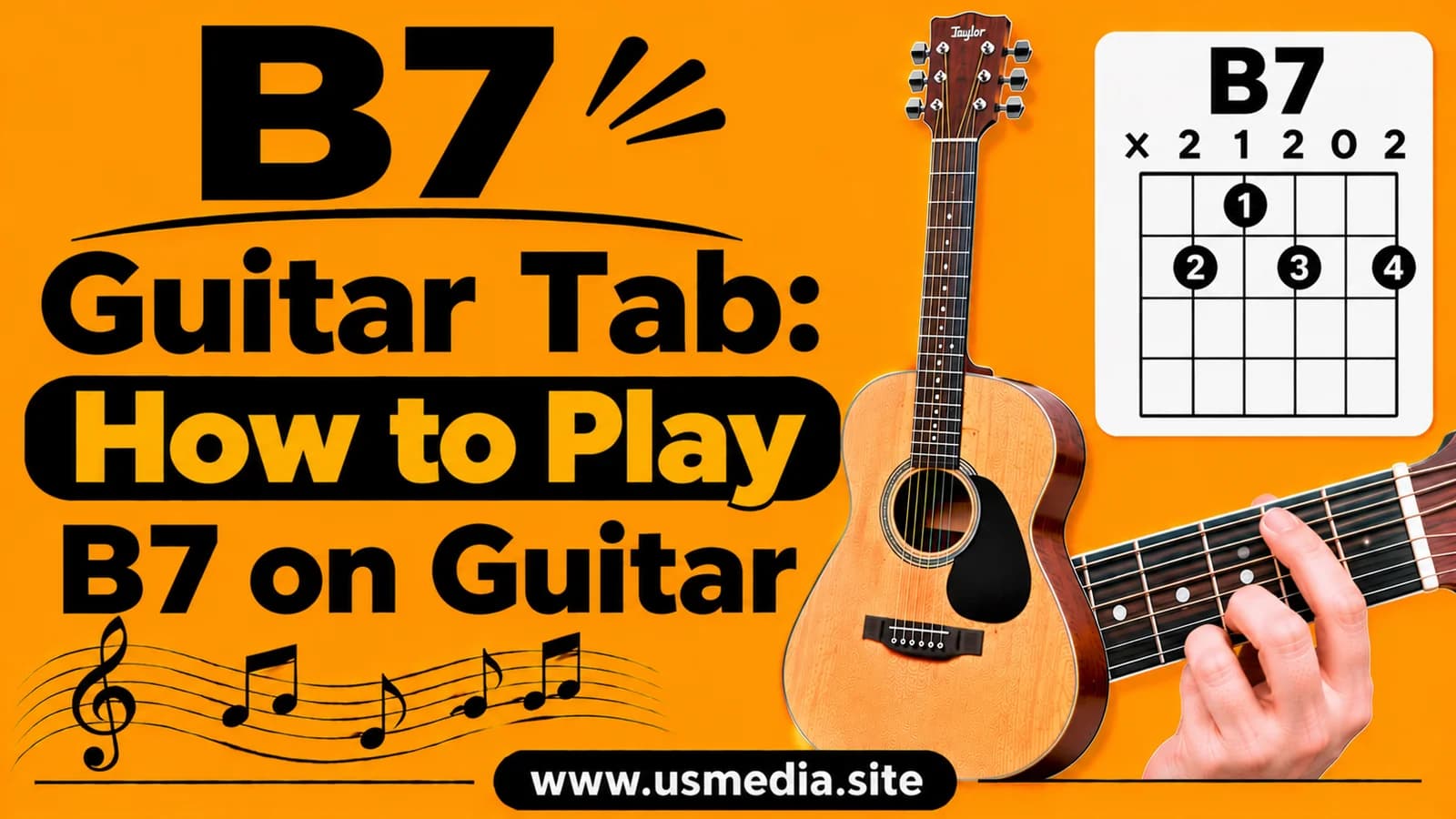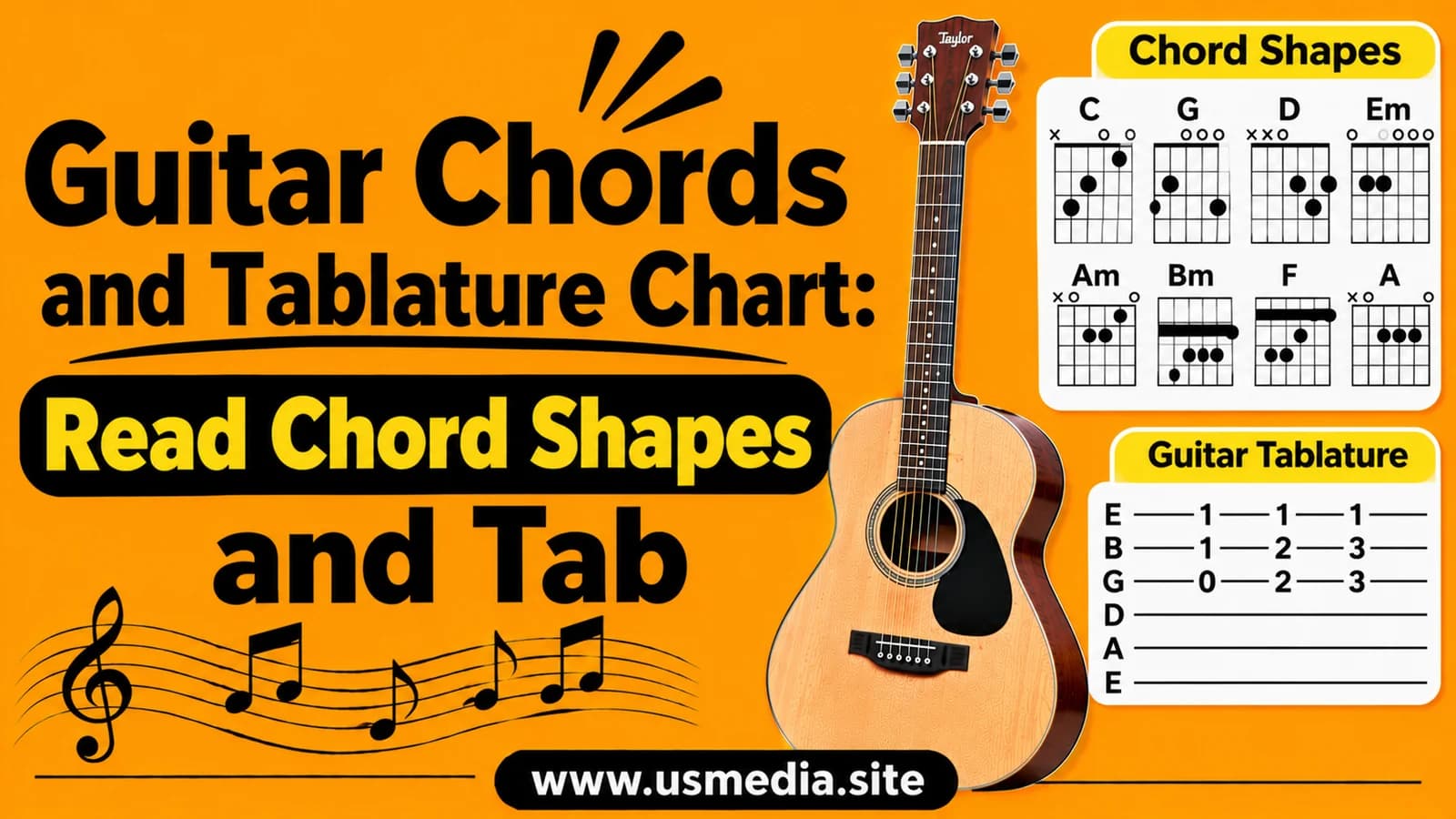
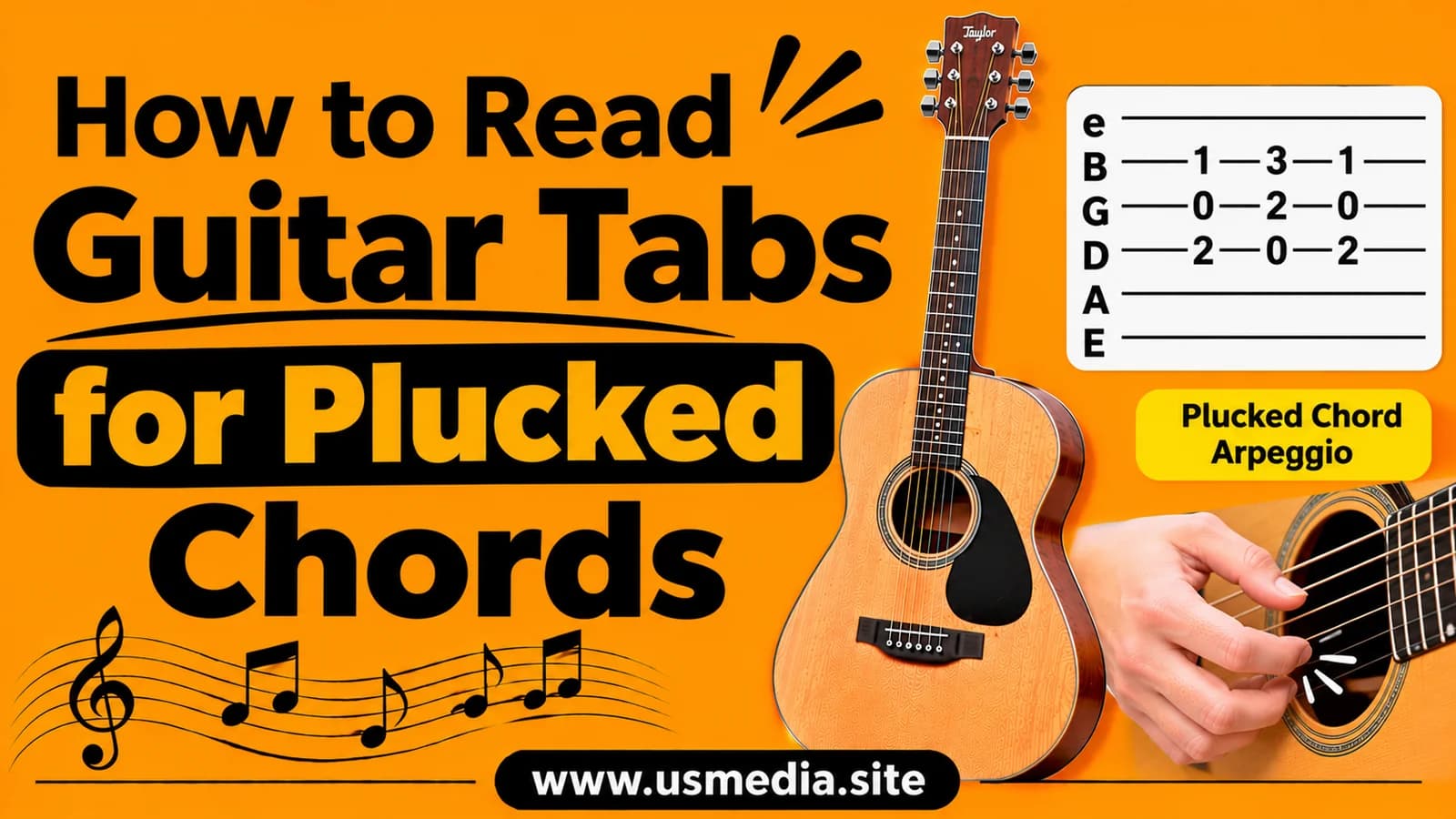
If a tab shows one note at a time, you may still be playing a chord—just picking its notes separately instead of strumming them together. Learn to spot the difference, keep the chord shape fretted, and follow a simple fingerpicking pattern on guitar.
Plucked chord or strummed chord?
Guitar tablature shows which strings and frets to play. Read from left to right. When fret numbers line up vertically, play those notes at the same time. When the numbers appear one after another, play them in sequence. A sequence of notes can outline a chord even though the tab does not show a vertical stack.
For example, these notes are an E minor chord played together:
High e|--0--
B     |--0--
G     |--0--
D     |--2--
A     |--2--
Low E |--0--
If the same chord is written as separate notes, hold the E minor shape with your fretting hand and pluck the strings one at a time. That is an arpeggiated chord pattern. The chord stays in place while the picking hand creates the order and feel.
Read the strings and fret numbers first
A standard six-line guitar tab maps one line to each string. The top line is high E, the thinnest string; the bottom line is low E, the thickest. The numbers tell you...