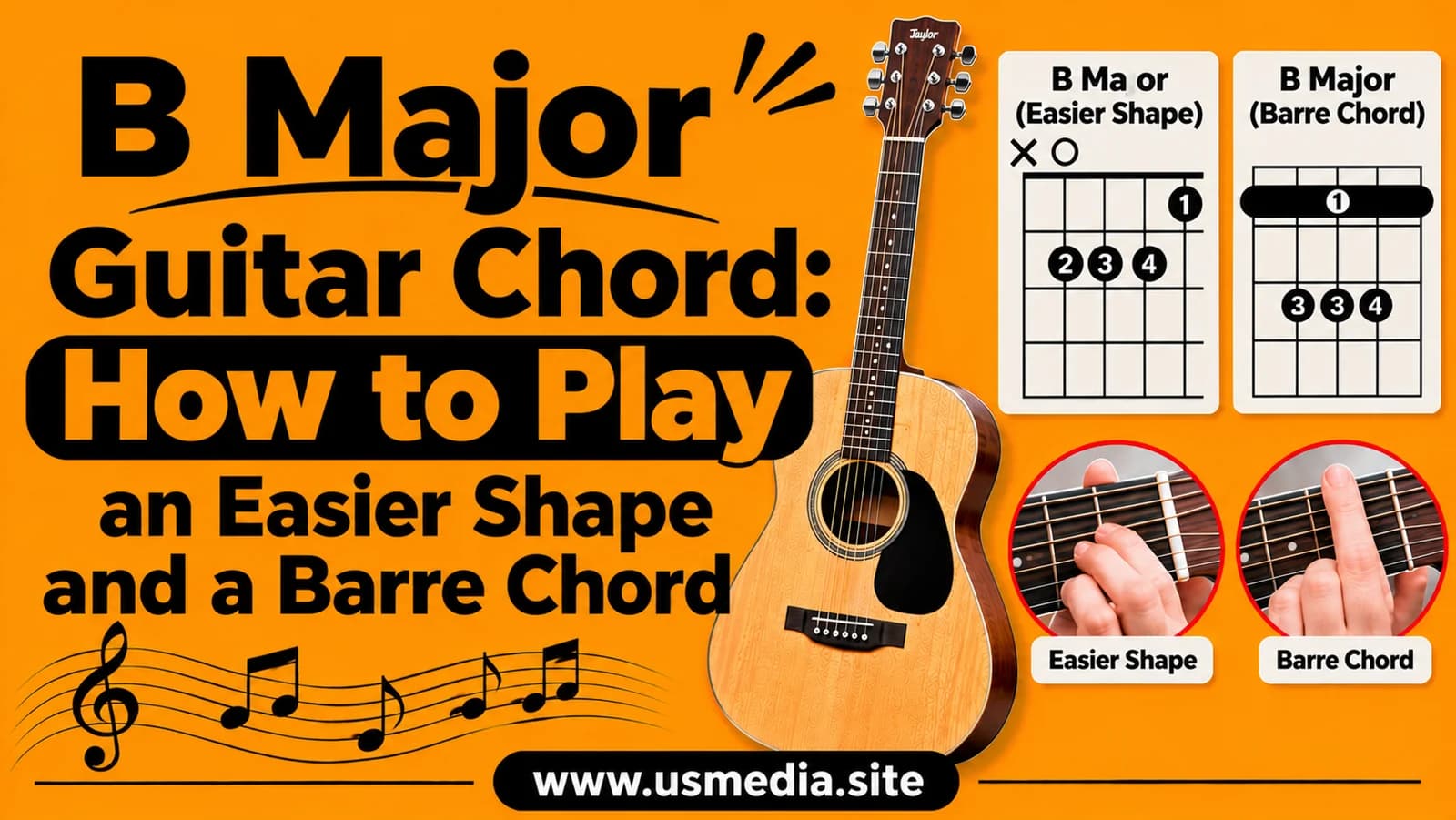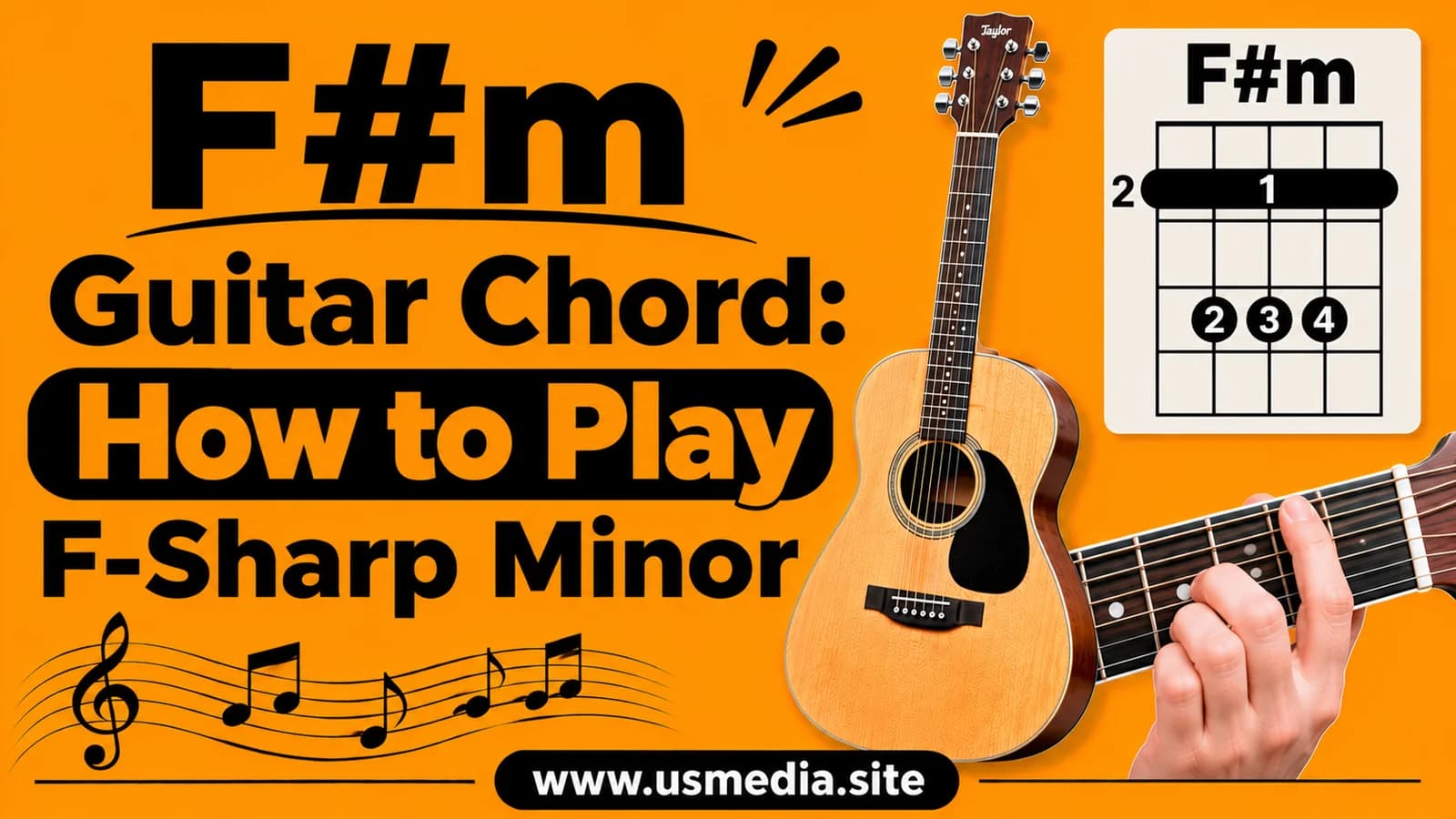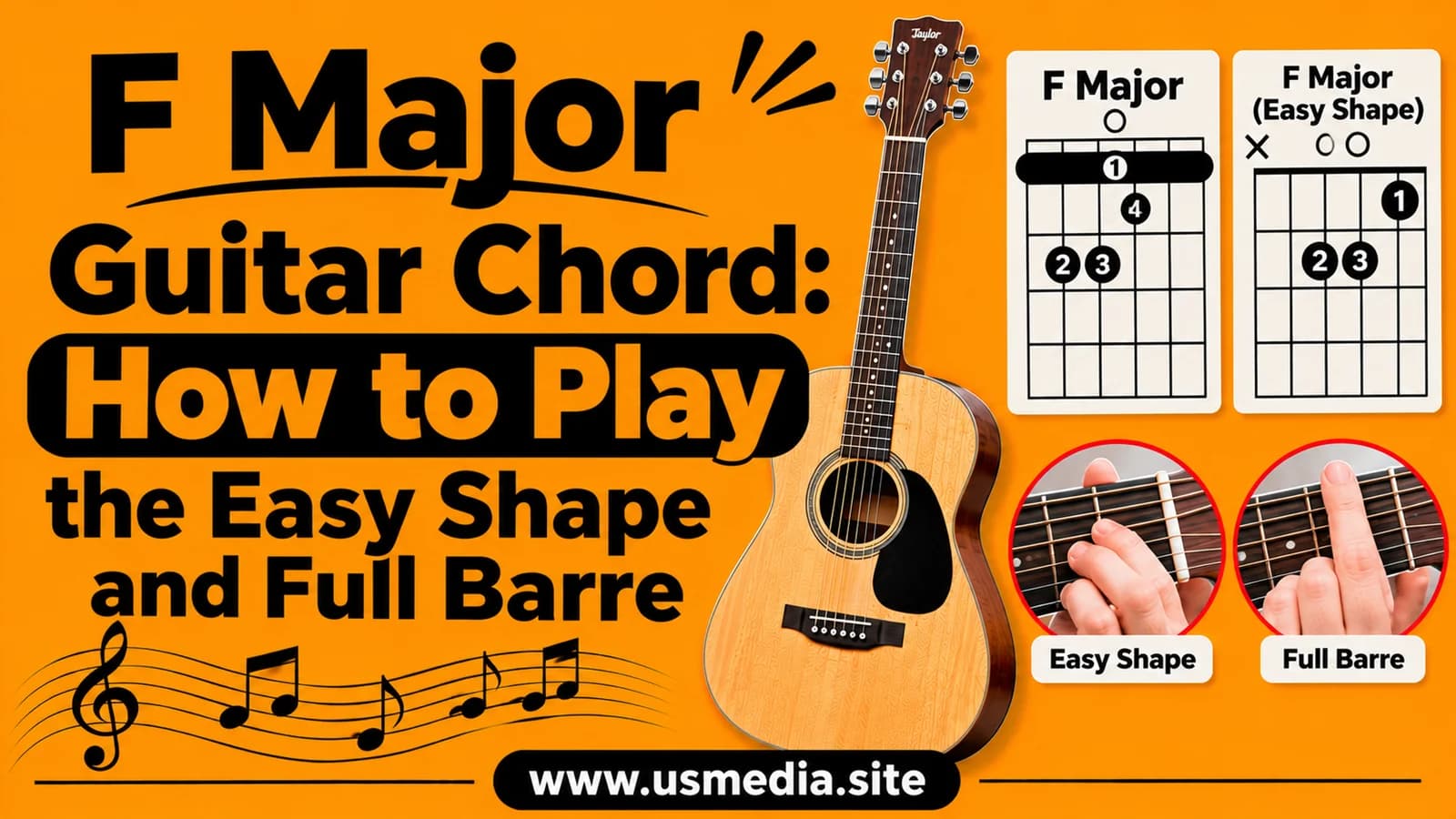
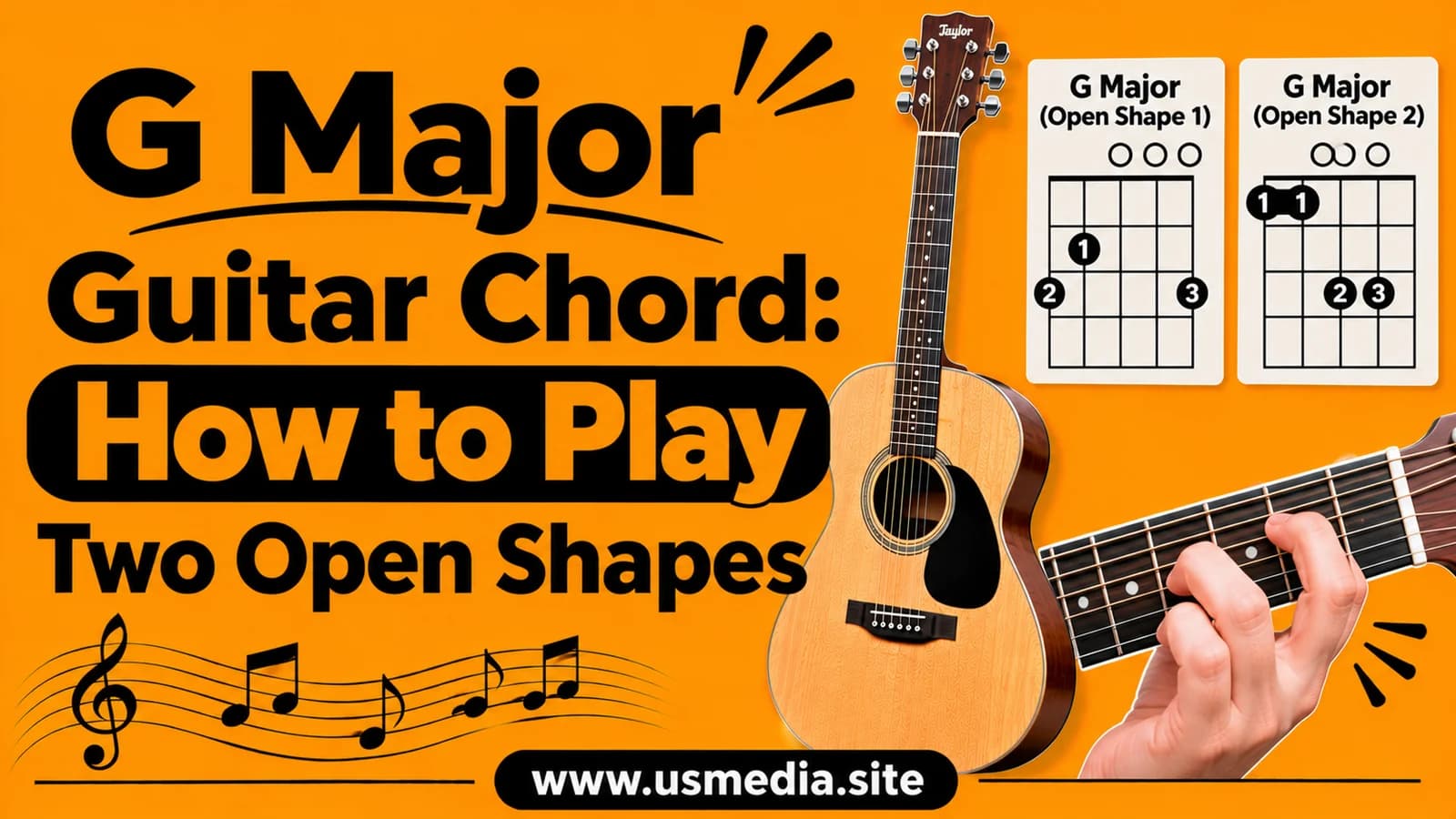
The open G major chord can sound full and ringing, but its stretch across the low and high strings can make the first placement feel awkward. Two common shapes solve the same musical need in slightly different ways: 320003 and 320033. At usmedia.site, we’ll show how to fret each one, explain which strings ring open, and help you choose a shape that fits your hand and the chord changes around it.
G major chord at a glance
Both shapes use standard tuning, from the thickest string to the thinnest: E–A–D–G–B–E. The numbers below follow the same order. A number tells you which fret to press; 0 means play the string open.
Shape:   320003
  Strings: 6 5 4 3 2 1
  Fret:    3 2 0 0 0 3

  Shape:   320033
  Strings: 6 5 4 3 2 1
  Fret:    3 2 0 0 3 3
For 320003, fret the low E string at the third fret, the A string at the second fret, and the high E string at the third fret. Let the D, G, and B strings ring open. For 320033, move the note on the B string to the third fret and add the high E string at the third fret. In both shapes, strum all six strings.
G major is built from the notes G, B, and D. Each shape repeats some chord tones in different...